Why an Asheville fire pit is a lot-shape problem before it's a fire problem
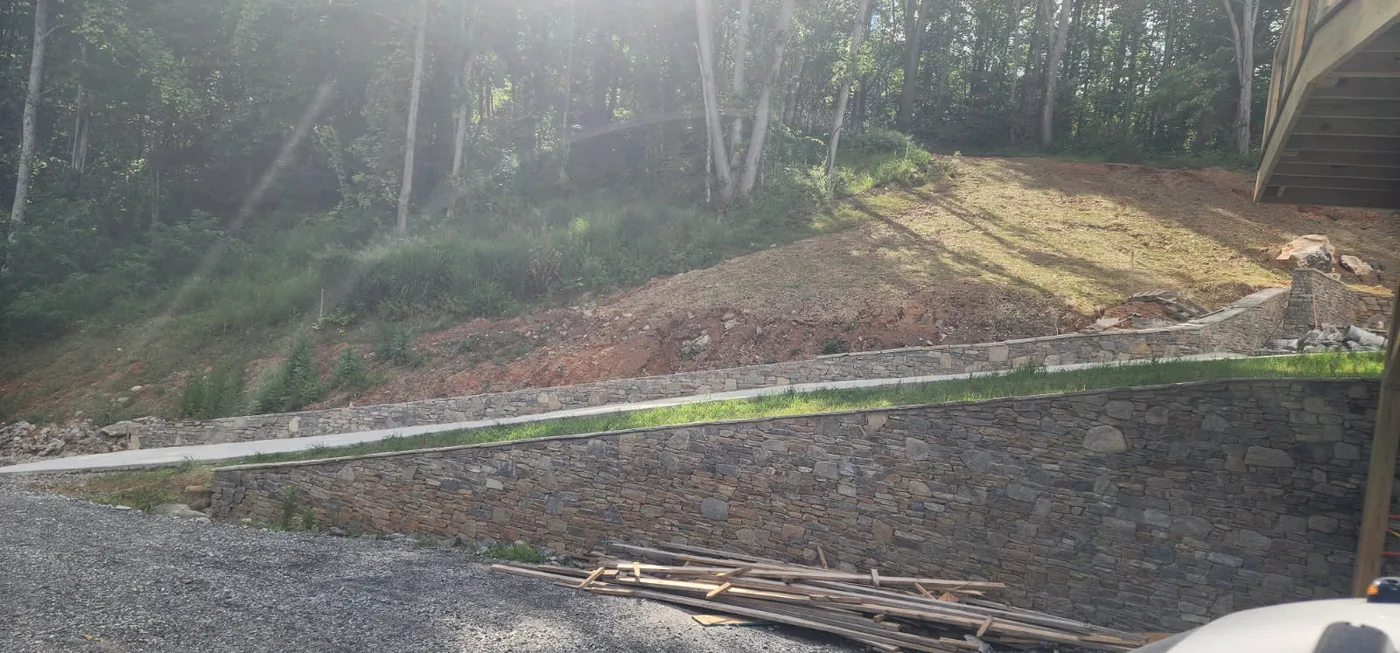
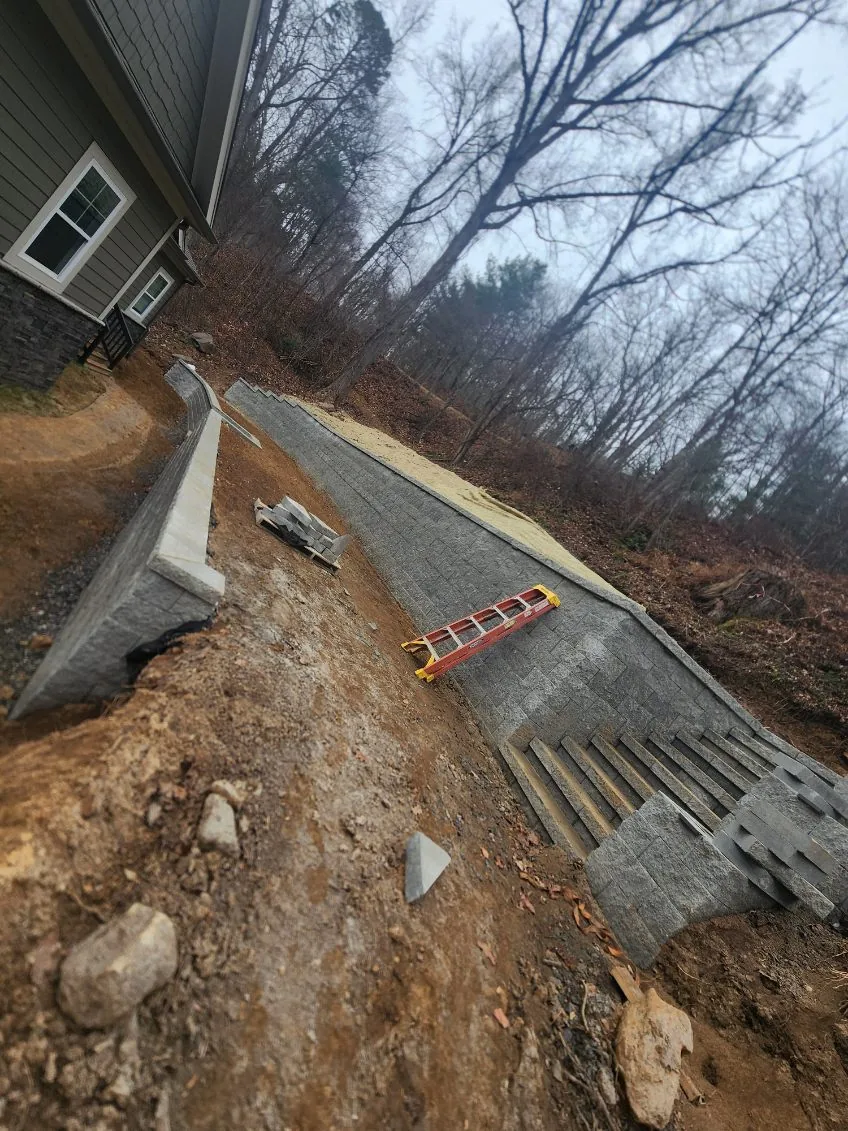
Drive from the flat blocks around the Montford edge up toward Chunns Cove and the lots change personality every quarter mile. Buncombe County's building stock sits on a mix of old terraced yards, ridge-top pads graded for a view, and narrow valley parcels where the only flat ground is asphalt. That variety is why gas fire pit installation in Asheville, NC is rarely a same-day kit drop. A pit on a level Weaverville pad with an existing patio is a different job than a pit on a 15 percent grade off Town Mountain Road, where the burner has to sit on a wall trained into the slope and the gas line may need to run uphill from the meter.
Two things follow from that. First, the base is almost always the hidden cost, because a pit that settles out of level in two winters was never really installed — it was placed. Second, water has to have an exit. Our soils swing between heavy red clay that holds rain and thin ridge-top dirt over rock, and a pit set in a low spot becomes a mosquito nursery by June. The pit should sit slightly proud of the surrounding grade, on a compacted base, with the patio draining away from the house, not toward it.
The parts of the job people don't price in their head
Most homeowners price the burner and the stone. The real work is underneath and behind:
- Base and wall. Excavation, compacted aggregate, and a block or stone wall built to hold the burner at the right height for the seating. On a slope, that wall becomes a small retaining structure, not a decorative ring.
- Gas supply. A line from the meter or a dedicated propane tank, sized for the burner's stated input, run in approved material at the right depth, with a shutoff where you can reach it. Pits on the far side of a patio often mean trenching through the patio or around it, and route length, not burner size, is what usually moves the number.
- Burner, media, and controls. A match-lit burner, a spark ignition, or a key valve, plus lava rock, fire glass, or a log set. Vented ring burners need cross-ventilation worked into the wall; an unvented pit with a sealed base is a carbon monoxide problem, not a design choice.
- Finish and drainage. Capstone, veneer, and a final grade check so the patio and pit shed water instead of pondering it.
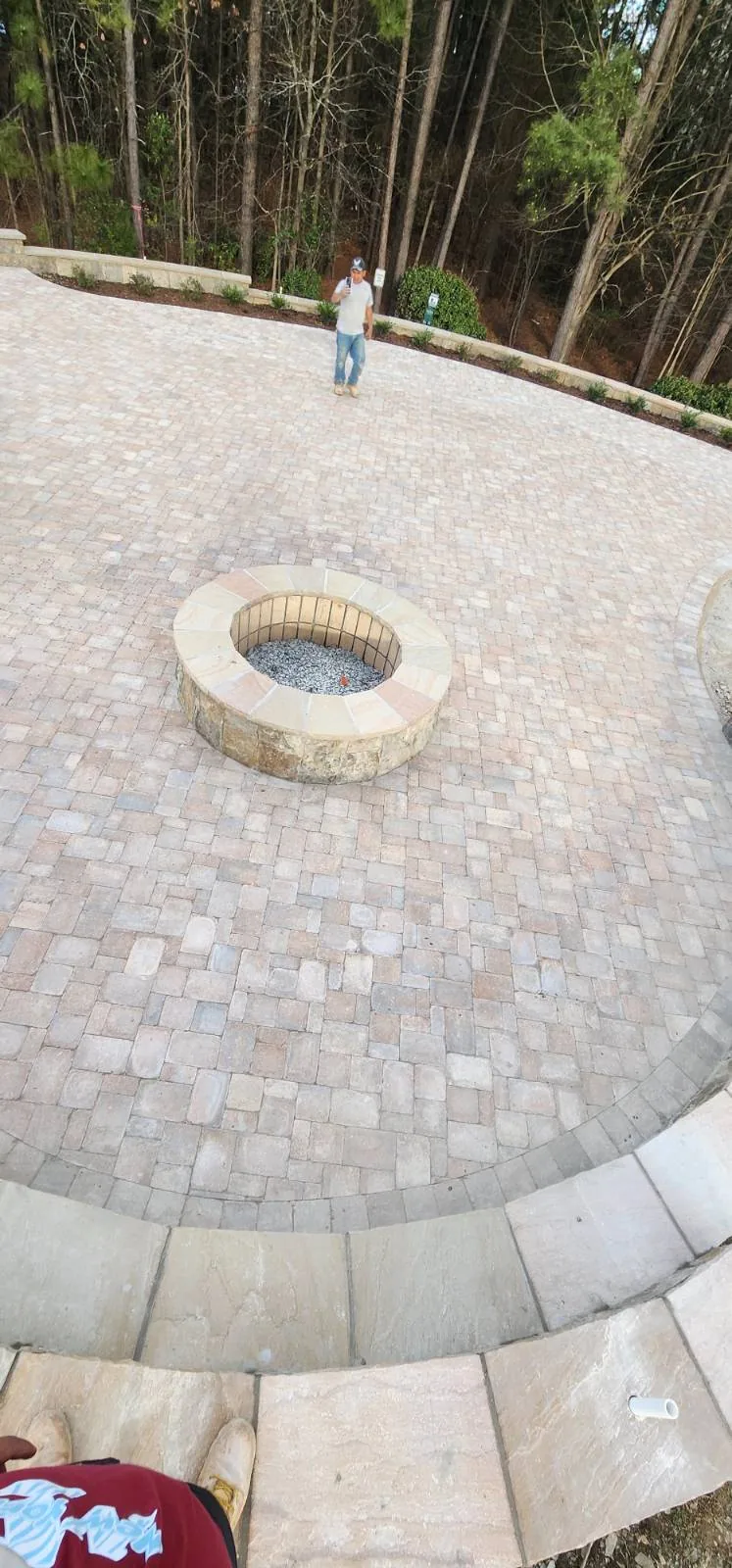
If you want the patio built at the same time, the sequencing matters: hardscape first, pit set into the finished patio, gas line roughed in before the base is closed. Pairing the two is usually cheaper than doing them a season apart, which is why a lot of our bids on paver patios include a pit line item from the start.
What a gas fire pit costs here, by scope
These are installed ranges for the Asheville and Buncombe County market, not flat rates. Route length, slope, and whether the patio already exists are the three biggest swing factors.
| Scope | Typical installed range |
|---|---|
| Burner insert into an existing, level patio with a nearby gas stub | $1,800–$3,800 |
| Freestanding kit pit, level yard, short trench from meter or first tank | $3,500–$6,000 |
| Permanent block or stone pit, compacted base, mid-length gas run, match-lit burner | $5,500–$8,500 |
| Sloped or terraced lot, retaining knee wall, long line route, spark ignition | $8,000–$13,000+ |
| Pit plus new patio, gas line roughed in during hardscape | Bundle pricing; the pit is usually 25–40% of the combined total |
Propane changes the math. If the house is on a tank rather than piped natural gas, the line, regulator, and sometimes a second tank add cost, and a large burner can outrun a small tank on a cold evening. A proper line sizing check is cheap insurance. The broader cost breakdown lives on our fire pit cost page, which separates the pit, the line, and the patio so you can see what you're actually buying.
Codes, safety, and who can legally build it
Fire pits are less regulated than a deck addition, but the parts that matter are the gas side. Any new gas piping is a code-governed installation, and Buncombe County and the City of Asheville permit and inspect gas work; the applicable provisions live in the fuel gas code, which you can trace through the International Code Council and the state's adopted codes published by the NC Office of State Fire Marshal. In practice that means a permit, a pressure test, and an inspection for the line, plus a clearable shutoff and a burner rated for outdoor use.
On who may contract the work: the NC Licensing Board for General Contractors sets the threshold at which a project must be run by a licensed general contractor, and gas piping itself is a licensed trade in North Carolina. If a bidder can't tell you who holds the license for the gas connection and who holds it for the masonry, ask again. Clearance rules matter too: a pit needs distance from combustible walls, low overhangs, and dry landscaping, and it should never sit under a roof eave where heat and embers can collect.
Choosing a spot that survives a Buncombe County winter
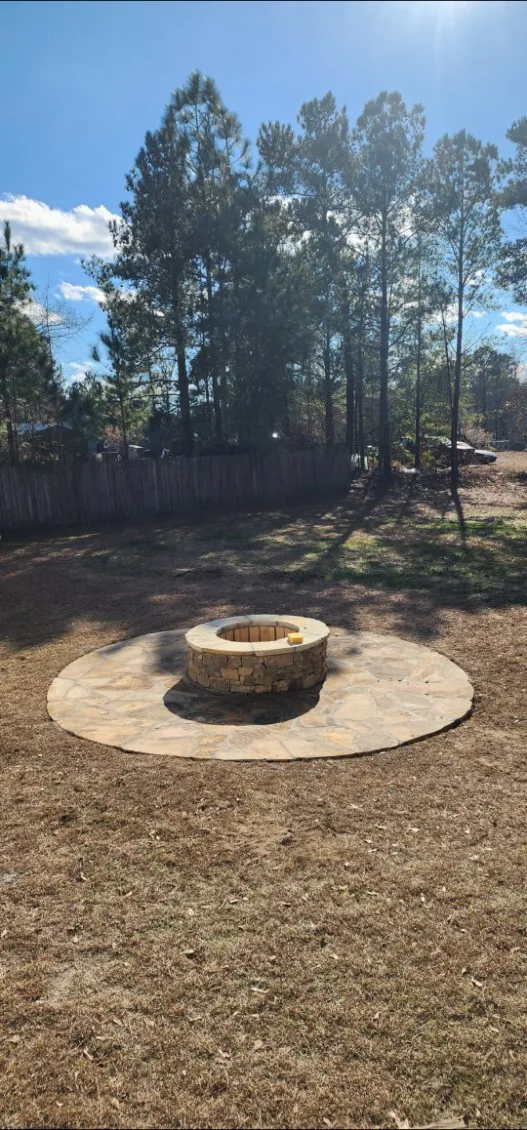
Western North Carolina gets four seasons of soil movement compressed into a few months: soaked clay in late winter, then drying and shrinking through summer, then the freeze-thaw cycle. A pit that isn't on a properly drained, compacted base will rack out of level, and the wall will crack where it meets the cap. That's the difference between a pit that looks good in year one and one that's still there in year ten.
Two placement habits pay off. Keep the pit out of the lowest corner of the yard, and keep the burner a comfortable distance from seating without making people shout across a twelve-foot span. A 36- to 48-inch pit serves four to six adults well. Also think about wind: ridge-top yards off places like Beaverdam or Elk Mountain can push a flame sideways, and a taller wall or a glass wind guard is worth the small upcharge. And before any of it goes in, check the line route against your irrigation, downspouts, and any buried utilities, because trenching through a sprinkler zone is a common and avoidable surprise.
If you already know you want a permanent outdoor room and not just a pit, start with the fire pit overview so the pit, patio, and gas line are planned as one project instead of three.