What the schedule actually looks like on a Laurel Park hillside
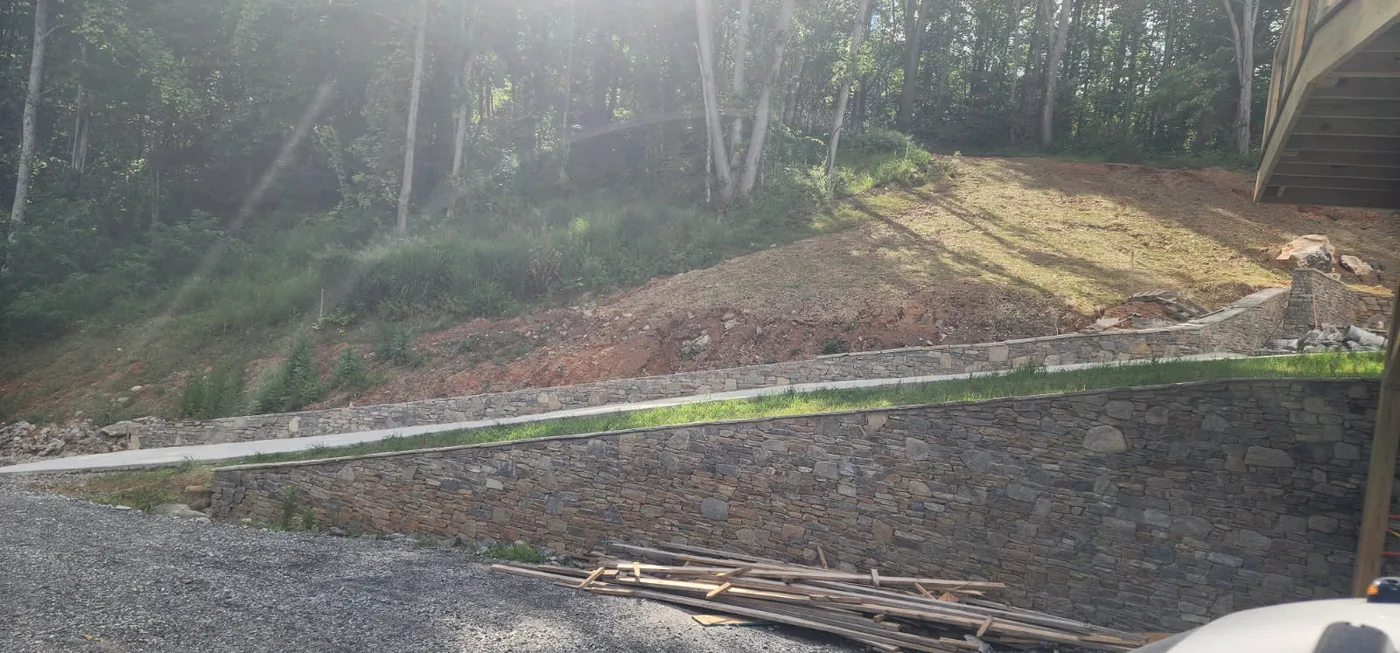
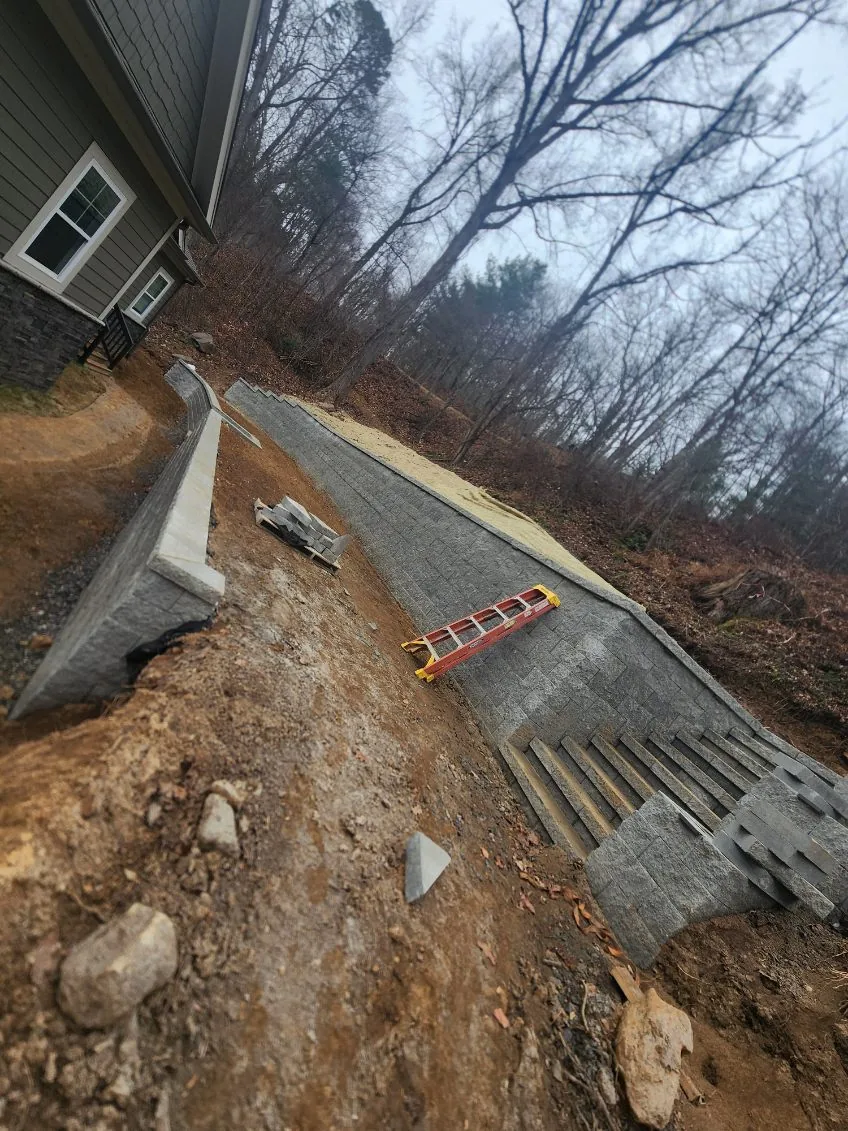
Drive through Laurel Park and the first thing a mason notices is how little flat ground most homes sit on. Streets climb toward Jump Off Rock, drives pitch hard, and half the stone walls you see are doing two jobs at once: they look good from the road and they hold a cut bank in place behind the house. That changes the installation timeline before a single stone goes up, because on a sloped lot the prep work is not a formality — it is most of week one.
A realistic sequence for veneer on an existing wall: day one is layout, moisture management, and confirming the substrate is sound; days two and three are lath, scratch coat, and curing time you cannot rush if the veneer is to bond properly; then stone setting starts and runs at roughly 40 to 60 square feet per day for a two-person crew, with corners and capstones slowing the pace. A typical 400 to 800 square foot wall is one to three weeks of on-site work, weather permitting. What that sequence cannot survive is water coming at the wall from uphill — which is why the first question a good crew asks in Laurel Park is not about stone color, it is about where the runoff goes.
Laurel Park scope and price ranges
Veneer prices track three variables here: access, wall height, and whether the wall needs structural or drainage help underneath. On a steep drive where a mixer truck cannot reach, everything gets carried or pumped, and that labor shows up in the quote. The table below reflects working Henderson County ranges, not flat rates — your actual number depends on the wall in front of you.
| Scope | Typical price range | Time on site |
|---|---|---|
| Flat veneer over sound existing wall, easy access | $9,000-$16,000 | 1-2 weeks |
| Veneer with multiple corners, caps, and window returns | $14,000-$24,000 | 2-3 weeks |
| New veneer over block or framed substrate with drainage detailing | $18,000-$28,000 | 2-4 weeks |
| Repoint and stone repair on an existing veneer wall | $1,500-$6,000 | 2-5 days |
If the wall is also retaining soil, the numbers part company with veneer entirely — see the Henderson County retaining wall cost breakdown for structural ranges, and treat any quote that prices a retaining function as decorative as incomplete rather than cheap.
New construction versus re-veneer, and why the order flips
On a new build, veneer goes on last — after roof, windows, and final grading — because you want the flashing and weep details tied into a finished wall plane, not a moving one. On a re-veneer, the order reverses: strip the old surface, inspect what is behind it, and fix the water pathway before anything decorative goes back up. Laurel Park has a lot of homes whose stone was added decades after the house was framed, and those assemblies often have no drainage plane at all. Honest re-veneer work starts by acknowledging that.
That is also where code comes in. Exterior wall coverings, flashing, and weather-resistive barriers are governed by the International Residential Code, and the specifics matter on a west-facing wall that takes mountain rain — see the International Code Council for how those requirements read. Moisture that gets trapped behind veneer does not announce itself; it shows up five years later as cracked or spalling stone, and by then the fix is removal and redo.
Who should be doing the work
Stone veneer is masonry, and masonry is a trade — not a weekend upgrade. In North Carolina, general contracting licensing applies once a project crosses statutory cost thresholds, and you can verify whether a contractor holds the right license through the NC Licensing Board for General Contractors. Ask for the license and check it. Ask, too, about the substrate the crew intends to build on: lath and scratch coat over sheathing, direct adhesion to masonry, or a full drainage-plane system are not interchangeable, and the choice drives both the price and the lifespan of the wall.
One more Laurel Park-specific check: does the crew regularly work slopes? A mason who mostly does flat subdivision walls will underbid access and staging on a hillside drive, then either cut corners or come back for more money. A crew that works this terrain will talk about staging, water, and curing before they talk about the stone itself. When you are ready for a walkthrough, the stone veneer service page covers what a proper first visit should include, and the retaining wall contractors page for Laurel Park covers the structural side if the wall is holding earth as well as looking good.
Weather windows and why mountain seasons matter
Veneer cannot be installed below freezing, and mortar needs to cure in reasonable temperatures. In Henderson County that effectively books the calendar from spring through late fall for exterior work, with a hard squeeze around the shoulder months. Federal disaster records put local relevance on water rather than anything decorative: 16 declared events have touched this county across 1978-2026, with storm and flood families dominating. Every one of those events tested walls built for gentler assumptions, and a properly detailed veneer wall with a drainage plane is the difference between a cosmetic repair and a full rebuild after the next one.