Why stone steps and walkways fail on Asheville hills
Asheville's terrain is the whole game. Buncombe County sits in a bowl of ancient mountains, and the clay soil that caps most of our ridges and side-hills is a poor friend to flatwork. That orange-red clay on a 12% grade shifts with every freeze-thaw cycle, and it holds water like a sponge; if your walkway isn't sitting on a compacted gravel base with proper drainage, it will heave, crack, and slide down the hill within two winters. A stone step that's level when installed in the dry heat of late July can end up tilting three degrees after a wet spring that follows a hard January freeze.
The fix isn't just the stone—it's what's underneath: a 4-6 inch crushed stone bed, geotextile fabric to stop soil pumping from below, and a footer below frost depth for any step over 6 inches tall. In the hollers around Weaverville or on the steep switchbacks over toward Fairview, we see too many DIY projects that skip the base to save a few hundred dollars and end up with a toppled heap of flagstone by the second spring.
The International Code Council sets the residential flatwork standards that any reputable Buncombe County mason will follow, even if the formal inspection requirement doesn't kick in until you add a wall or tie into the house. On steep lots, this guide explains the broader drainage and terracing decisions that protect any investment you make in stonework before you ever pour a bag of gravel.
What you're paying for: materials, labor, and the slope tax
Material choice drives the budget, but not the way you'd think. Local river rock pulled from the French Broad basin is cheapest at $4-$8 per square foot; bluestone hauled up from western Virginia quarries runs $8-$15; and irregular flagstone from Tennessee quarries hits $10-$20 because of the trucking distance. The bigger number is always labor, because every stone on a slope requires hand-setting, and every step needs a concrete footer that the mason has to form up on uneven ground.
A typical Asheville walkway—200 square feet, gentle sloping lawn in West Asheville, bluestone—lands at $3,600-$7,000. Add 30% if you're on a 15% grade in Montford, have to haul materials by wheelbarrow down a narrow side path, or need to cut into bedrock on a lot over in the Grove Park neighborhood. A third of our quotes are pure site access—where the truck can park, how many wheelbarrow loads of excavated clay have to come out, how far the stone travels from the curb to the back yard.
The table below gives honest ranges by scope, but keep this in mind: a real quote should always include a site visit, not a phone estimate. A mason who quotes flat without seeing your grade is either a paver installers who doesn't understand mountain work or someone who will hit you with change orders the moment they hit the first root.
Cost drivers table: what moves your quote in Buncombe County
| Scope | Typical price range | What moves the number |
|---|---|---|
| Set of 4-6 stone steps, straight run | $2,500-$4,000 | Riser height, width (needs 36"+), stone type, excavation depth |
| Walkway, 100-200 sq ft, flagstone or bluestone | $3,500-$8,000 | Slope, curve, base material, border work, drainage |
| Walkway with steps, landing, or retaining tie-in | $6,000-$12,000 | Terrace walls, drainage, light grading, custom stone |
| Full front entry with path, steps, and porch step | $8,000-$20,000 | Total square footage, stone quality, site access, finish |
These ranges include materials and labor but not dumpster fees, tree removal, or the cost of fixing a downspout that's been dumping water onto the slope for years. In years with heavy spring rains, when saturation has weakened the steep loam you find in the hills above Biltmore Forest, expect sister projects like patios to cost more because crews have to dig deeper to find stable soil for the footer. That's honest—it's also why any quote that beats the range by 30% should be questioned, because a low bid on a slope usually means no footer, thin stone, or a crew that will disappear at the first sign of rain.
Who to hire and what to ask for in Asheville
Stone masonry is a licensed trade in North Carolina—anything over $30,000 requires a general contractor's license per the NC Licensing Board for General Contractors. For a $5,000 walkway, you don't need a licensed GC, but you do need someone who's done mountain work before, not a landscaper who's laid a few pavers on a level lot in Greensboro. Ask for three references from Buncombe County jobs, walk one in person, and ask the owner what drainage problems they found mid-project—a real mason will have a story about a spring that surfaced under the footer of a walkway in Haw Creek.
Ask for proof of workers' comp insurance. If a stone slab slips on your slope and a laborer ends up in the ER at Mission or over at Pardee in Henderson County, you don't want that liability falling on your homeowner's policy. Also check if your project needs an erosion control permit from the county's soil and water department—any grading that disturbs more than 20,000 square feet on a steep slope can trigger rules from the U.S. Environmental Protection Agency that start with keeping sediment out of our creeks that feed the French Broad.
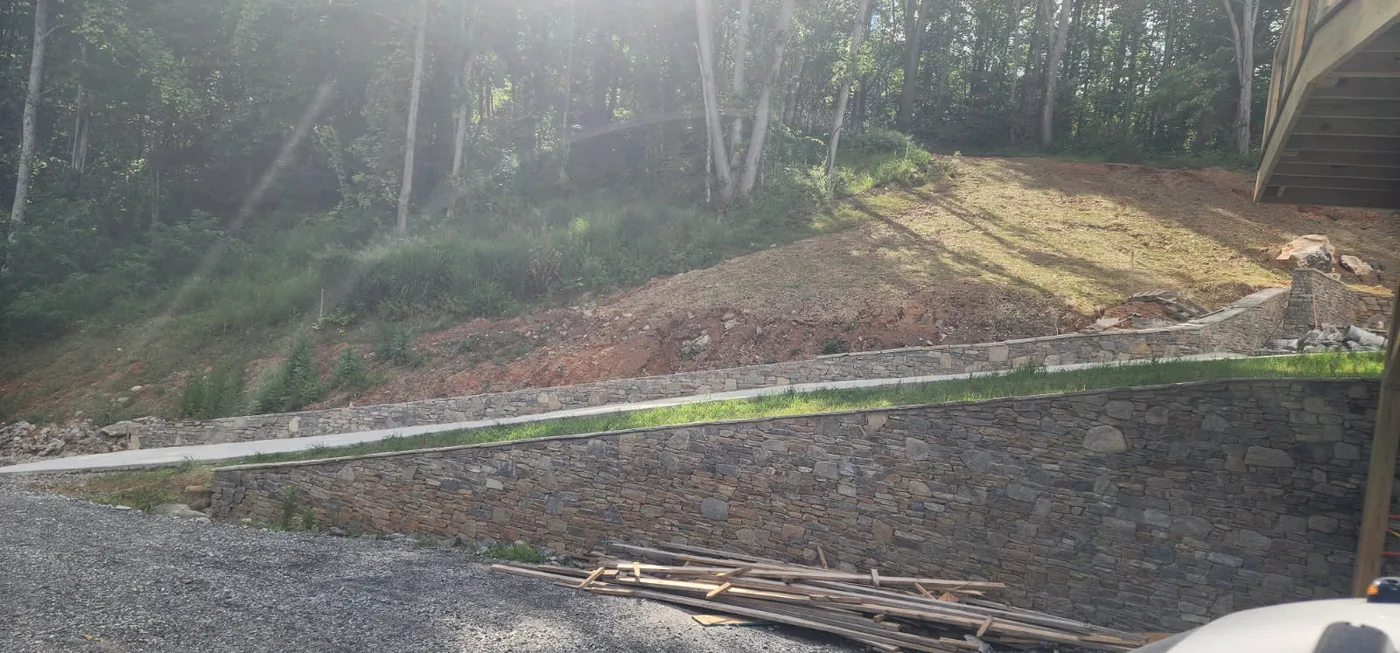
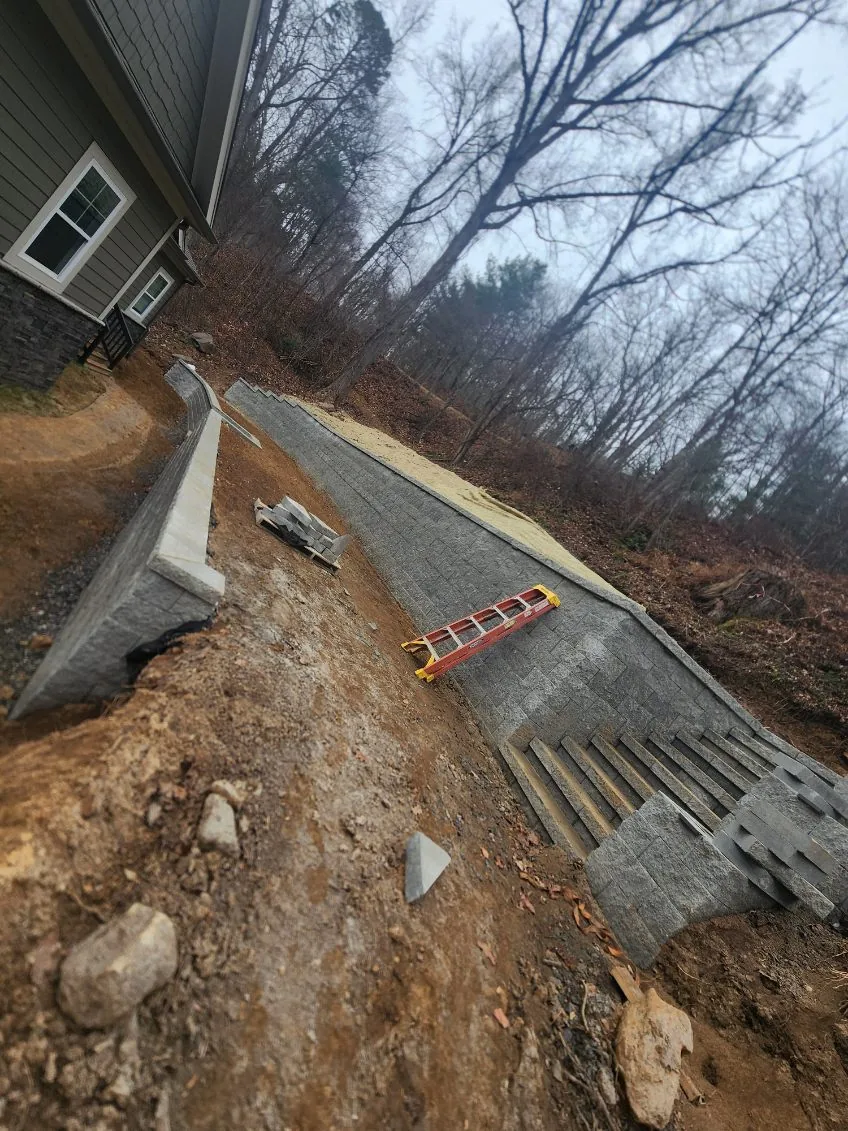
The retaining wall hub on this site covers the structural side of hillside work, which often overlaps with what a good mason will recommend. A wall that holds back the hill above your new walkway is not a decorative extra—it's the thing that keeps the first winter's freeze-thaw cycle from shoving mud and stone down onto your path.
Design that looks right on an Asheville lot
The best stone work here doesn't fight the hill—it uses it. We are not in a river valley with flat lots; we are in a city where the historic districts look the way they do because everyone built on top of the humps and dips of the Blue Ridge foothills. Wide, shallow steps (12-inch tread, 6-inch rise) with a landing every six to eight steps break up a steep slope and give you a place to catch your breath while carrying groceries or to pause and let a dog sniff the ferns. A step that's only 10 inches deep feels like a tripping hazard on the way down, especially in the early morning when frost coats the stone.
Use stone that matches your house's foundation: river rock for cabins and ranch houses that echo the creek beds, bluestone for the Craftsman bungalows of Kenilworth and Montford, and irregular flagstone for anything rustic or a frame house in a decidedly rural neighborhood like Leicester or Swannanoa. Ask for a 'dry-laid with mortar core' method, where stones sit on a gravel base and are locked with mortar between them—this lets water drain down through the joints instead of pooling on the surface and turning into a sheet of ice in January.
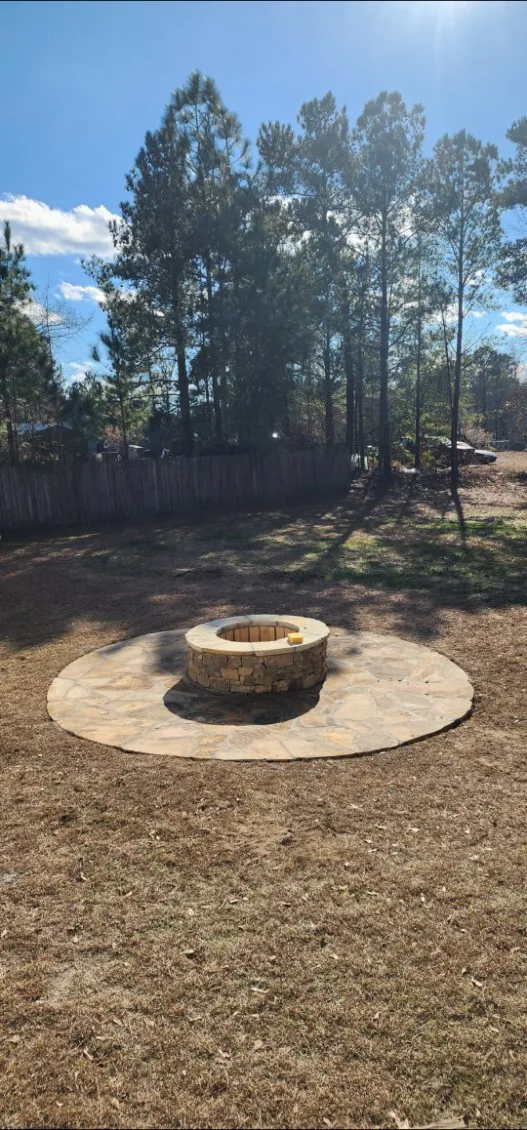
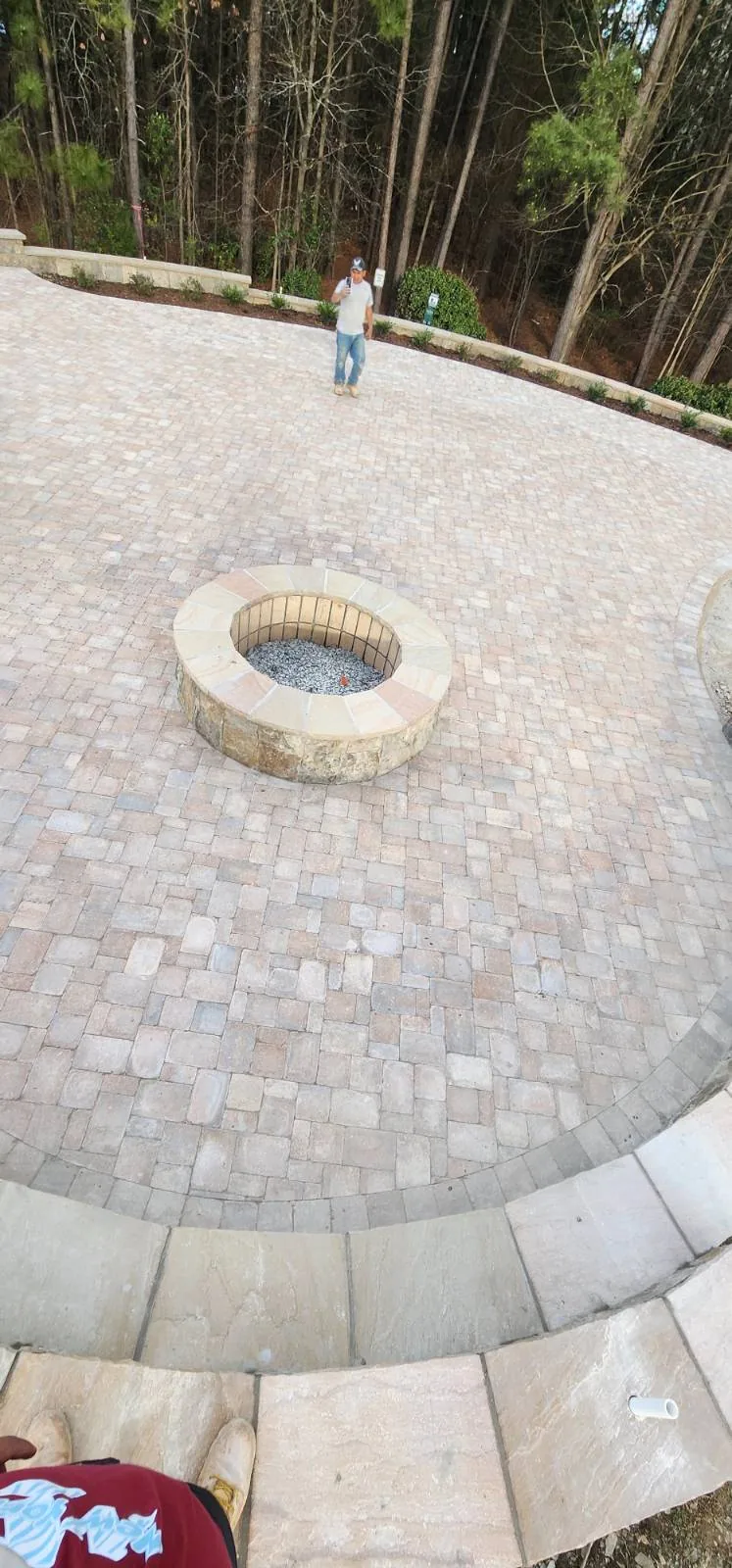
On a wet hillside, a flagstone patio at the top of your steps can double as a drainage terrace, slowing water before it hits the walkway. The best masons in Asheville will measure the pitch with a level on a string line, show you where water will run after a 2-rain event, and point out if your gutter downspout is feeding the problem directly—listen to them. They'll also talk about the local slate season, because the quarry colors shift slightly with the weather, and you want the stone delivered from the same batch so the bluish gray and the moss green don't clash.
Are stone steps worth it for resale in Asheville?
In a market where curb appeal is everything, a well-built stone entry is a top-five return on investment. The median home in Asheville has a view of a ridge or a neighbor's gable, and how the driveway meets the front door matters deeply to the buyer who is imagining themselves walking up that path after a day of hiking the Mountains-to-Sea Trail corridor. A 200-square-foot walkway that replaces a cracked concrete path can add $5,000-$10,000 to a list price in North Asheville or West Asheville, and it signals to buyers that the foundation and drainage are likely handled—which is usually the first fear they have about a house on a hill.
But only if the stone is installed to last. Sloppy work—no base, no drainage, steps that rock—can cost you at inspection, because a home inspector who knows Buncombe County tie-offs will flag heaving as a future hazard even if no one has tripped yet. If you're selling, keep the receipt and the mason's name; it's a selling point. Buyers who are relocating from flat states like Ohio or Florida have no frame of reference for a 15% grade, and knowing a local stone mason already solved the drainage problem for them shrinks their anxiety in a way nothing else in a disclosure packet can.
The region has experienced 19 federal disaster declarations since 1973-2026, so many buyers are wary of water that runs downhill, and a stone path that channels rain away from the foundation is a feature you can point to at the showing with real confidence. Our winters are wet, our springs are wetter, and a few pounds of flood insurance jargon can be undercut by a single, honest, well-pitched walkway that visibly moves water away from the crawlspace.