What Madison County actually builds stone out of
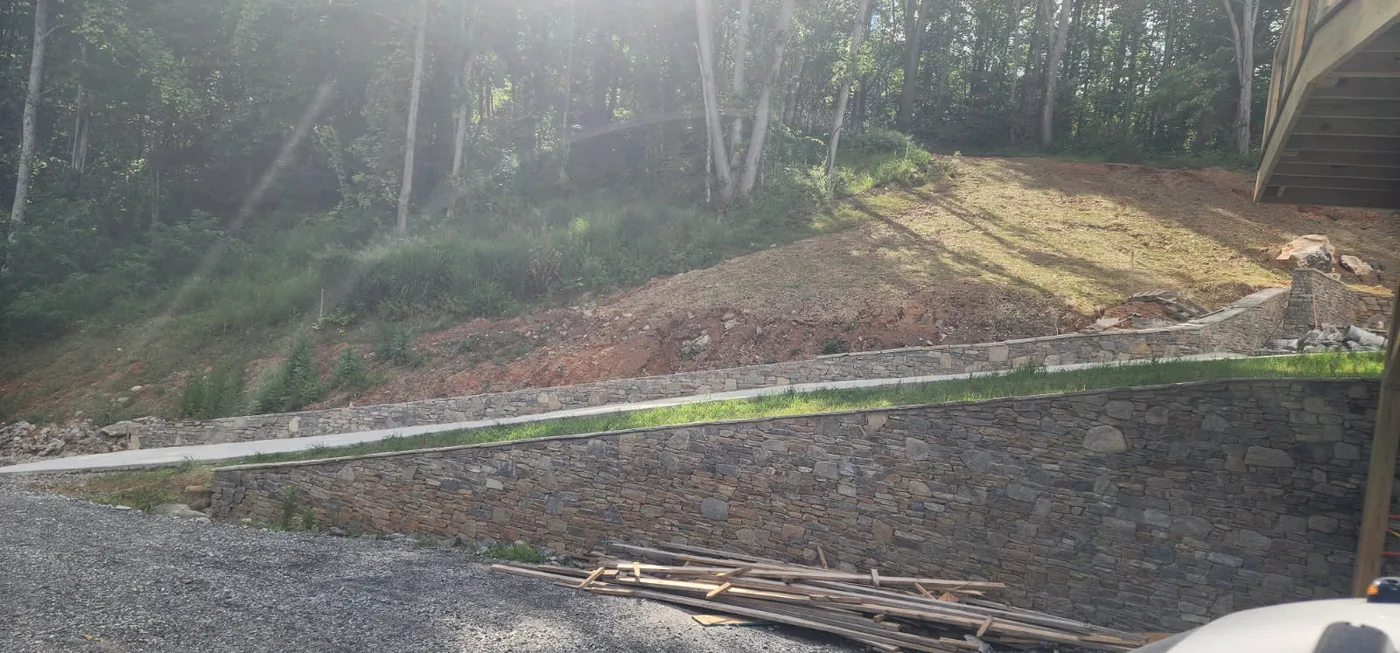
Hot Springs sits at the bottom of a gorge where the French Broad cuts through Madison County, and the housing stock reads like the terrain: a few dozen Victorian and early-1900s buildings downtown, mid-century ranches and cabins on the ridges above, and a steady stream of newer second homes tucked into slope lots. The stone question here is not decorative. It is a materials question — fieldstone pulled from the property, boulder from the river corridor and creek beds, block that gets veneered because the wall wasn't built for full stone, and timber that has to be detailed around stone so water doesn't wick into a sill.
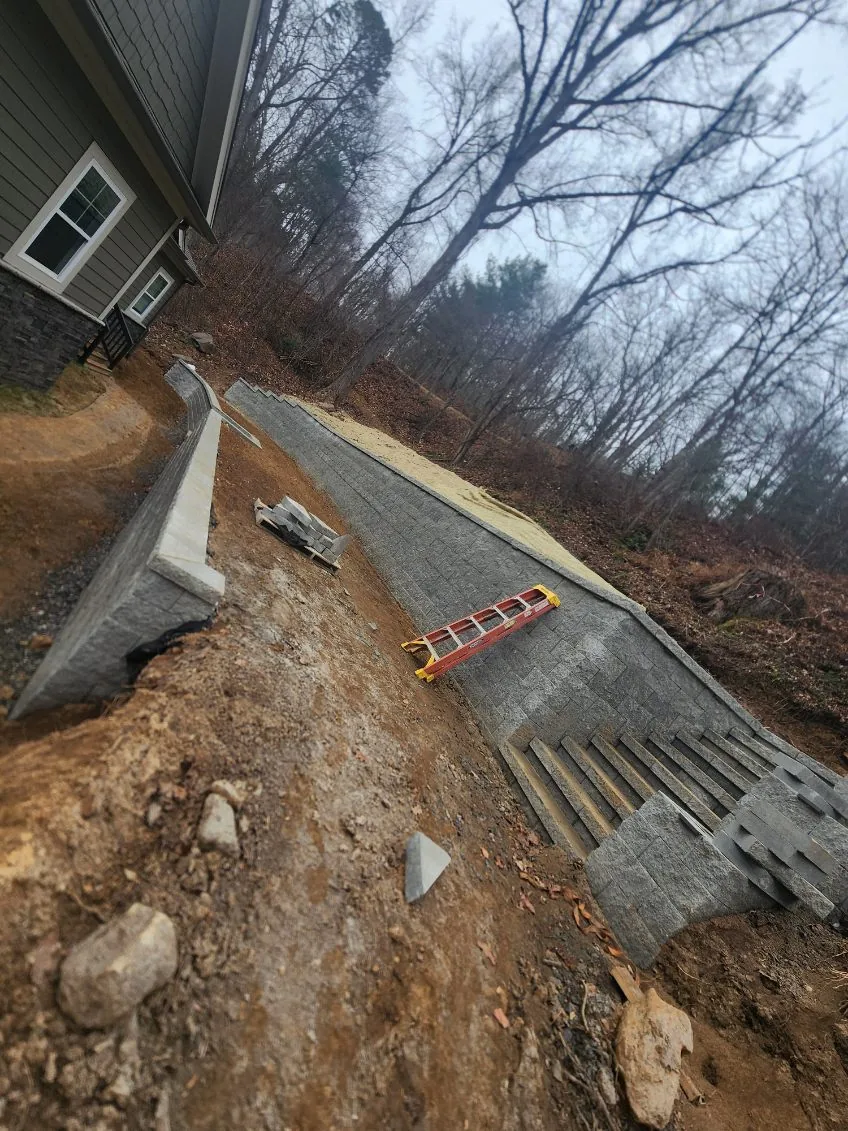
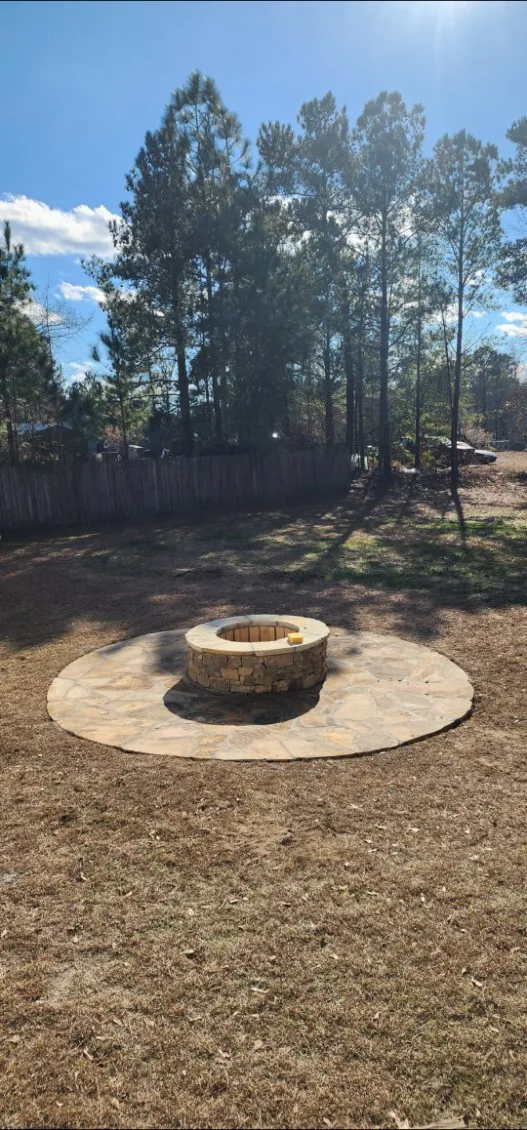
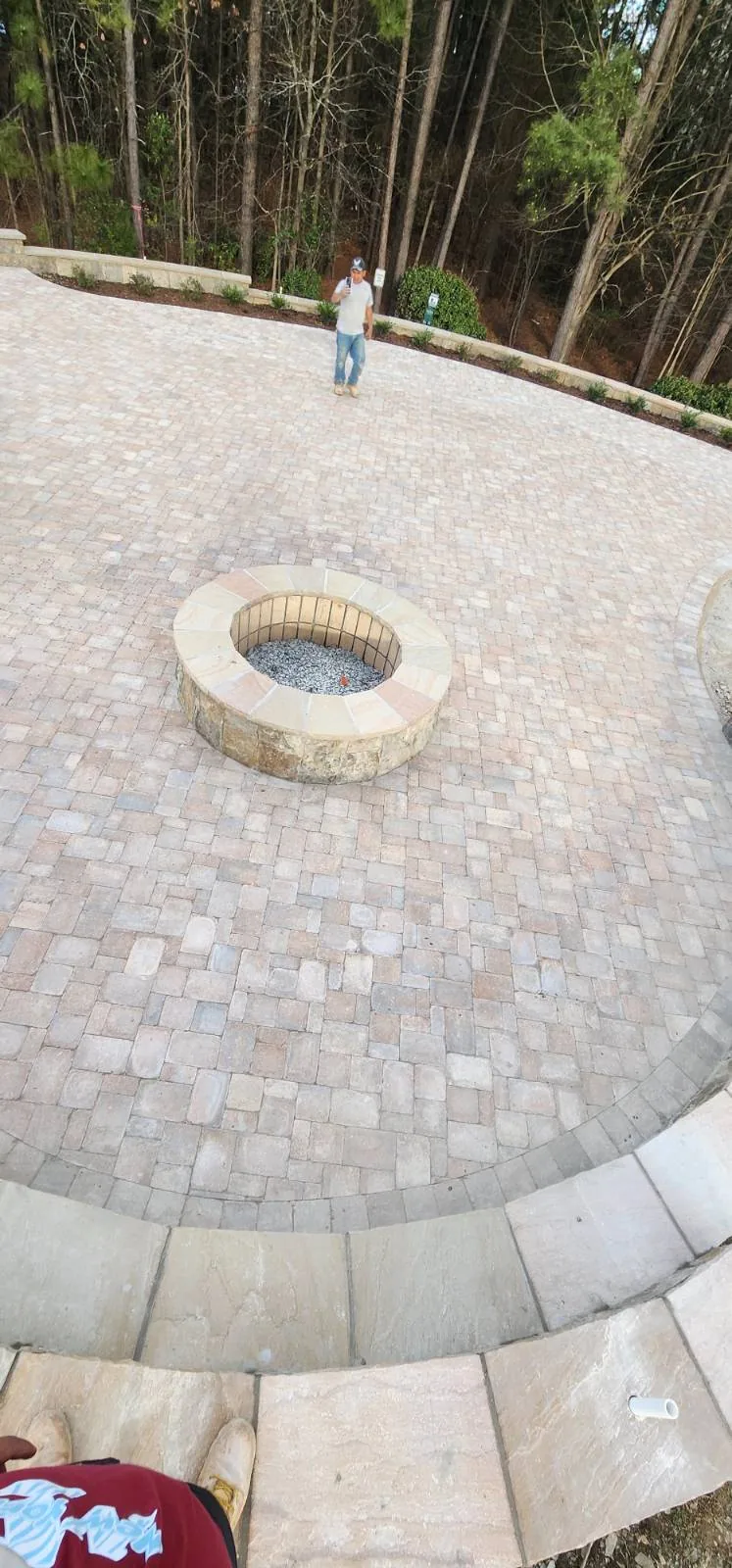
Fieldstone is the cheapest material and the most expensive labor: every stone has a face that has to be found, and the wall takes longer. Split-face manufactured veneer is the inverse — uniform, fast, and easier to quantify by the square foot. Boulder work is a third category entirely, best suited to retaining walls and water features where a retaining wall contractor in Hot Springs is already moving ground. The honest answer for most Hot Springs properties is a mix: manufactured or cultured veneer where you need flat, uniform coverage and local fieldstone or boulder where the wall is low and visible from the road.
Veneer scope and what it prices at
The table below is what we see on Madison County jobs — manufactured and natural stone veneer on prepared walls, with mortar and labor included. Add for demolition, wall prep, tall scaffolding, or a slope you can't walk a wheelbarrow up.
| Scope | Typical range |
|---|---|
| Manufactured stone veneer over prepared block, per sq ft | $28–$38 |
| Natural thin-stone veneer over prepared block, per sq ft | $35–$48 |
| Full-depth fieldstone, per sq ft | $40–$52+ |
| Chimney surround, per linear foot of height | $250–$600 |
| Front entry / porch pier, per pier | $700–$1,800 |
| Interior fireplace surround, typical | $2,500–$6,000 |
| Wall prep, scratch coat, and waterproofing, per sq ft | $3–$7 |
Small jobs carry a minimum: a single porch pier or a short chimney chase is not priced by the square foot because the setup, mixing, and cleanup dominate the day. On stone veneer jobs where the existing wall is brick or block in good condition, we can often bond directly; where the wall is sheathed wood, framing, or failing mortar, prep is where the budget goes.
Water, freeze, and the mountain failure modes
Madison County averages some of the wettest weather in the Southeast, and the river corridor floods on a schedule nobody can predict. The federal record is the honest backdrop: 21 declared events touch this county across 1978-2026, mostly storm, flood, and wind family. For stone work, that means two rules. First, veneer over a wall that takes water is a liability — the veneer looks fine while the assembly behind it rots. Second, flashing and weep details are not optional, and neither is a drainage plane behind the stone on any wall that faces weather. The International Code Council and North Carolina's adopted codes treat adhered veneer as a system, not a finish; the mortar is the least important part.
Freeze-thaw is the other failure mode. Hot Springs gets enough winter to crack the wrong stone. Natural fieldstone tends to handle freeze-thaw better than some cast products, but only if the stone is set with full mortar coverage and the wall can drain. If water is already finding the base of the wall, fix that first — a retaining wall or drainage correction is cheaper than re-facing the same wall every few years. The Madison County retaining wall cost breakdown covers the drainage and earthwork side of that conversation.
Who can legally take the job
North Carolina's contracting thresholds matter here because stone veneer rarely travels alone. Standalone veneer on a residential wall often falls under general handyman or specialty rules, but the moment the job becomes a retaining wall over the threshold, a structural repair, or part of a larger addition, general contractor licensing applies. The NC Licensing Board for General Contractors publishes the current dollar thresholds and license classes. On any slope lot above the river — and most Hot Springs lots are slope lots — ask whether dirt will move and who is moving it. If the answer is a machine, the job has crossed into grading and retaining, and the license conversation changes.
Permits are issued by Madison County, not Hot Springs, for unincorporated work; the town governs inside its limits. We can tell you what we've seen on similar jobs, but the authority having jurisdiction is the authority — confirm before you buy stone. The EPA also matters on any project near the French Broad corridor where stormwater and erosion controls come into play.
Hiring a mason in this market
Madison County has a shallow bench of full-time masons, and Hot Springs is at the far end of a long drive for crews based in Asheville or Marshall. That changes the economics. A crew that has to drive an hour each way will price travel in, and the honest crews say so. The warning sign is the bid that's dramatically lower than everyone else's — on a mountain job that usually means the extra trip, the scaffold, or the waterproofing is quietly missing.
Ask three things. Which stone, and where does it come from; local fieldstone and boulder carry a story that manufactured veneer can't, but the labor difference is real. What is behind the stone — scratch coat, drainage plane, flashing. And who is responsible if water gets behind the wall. A crew that answers all three in specific terms is a crew that has done this in the gorge before. If the wall is retaining anything other than itself, start with the Hot Springs retaining wall contractors page and treat the veneer as the finish on a correctly engineered wall.