The patio at the edge of the river decides the numbers
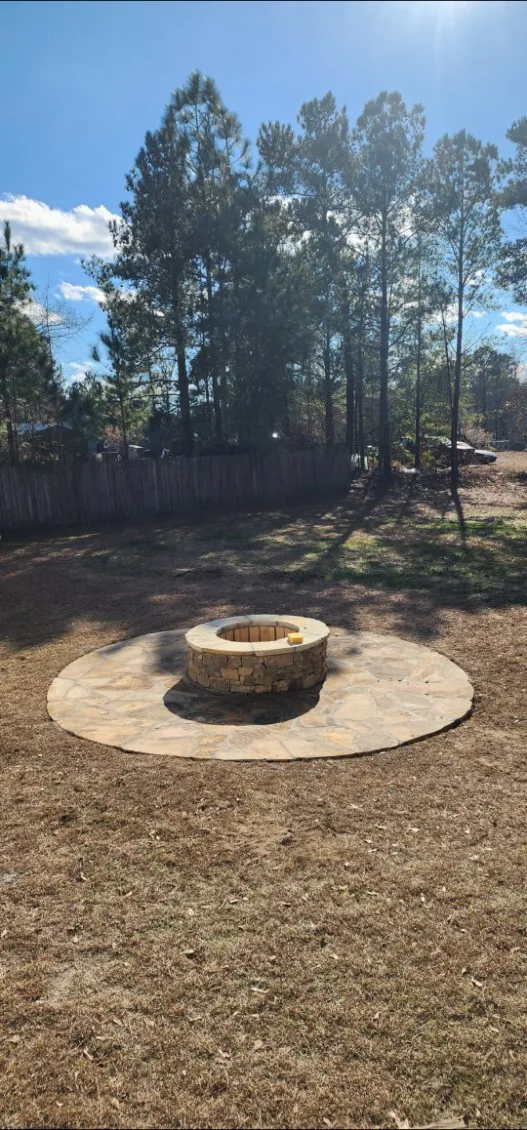
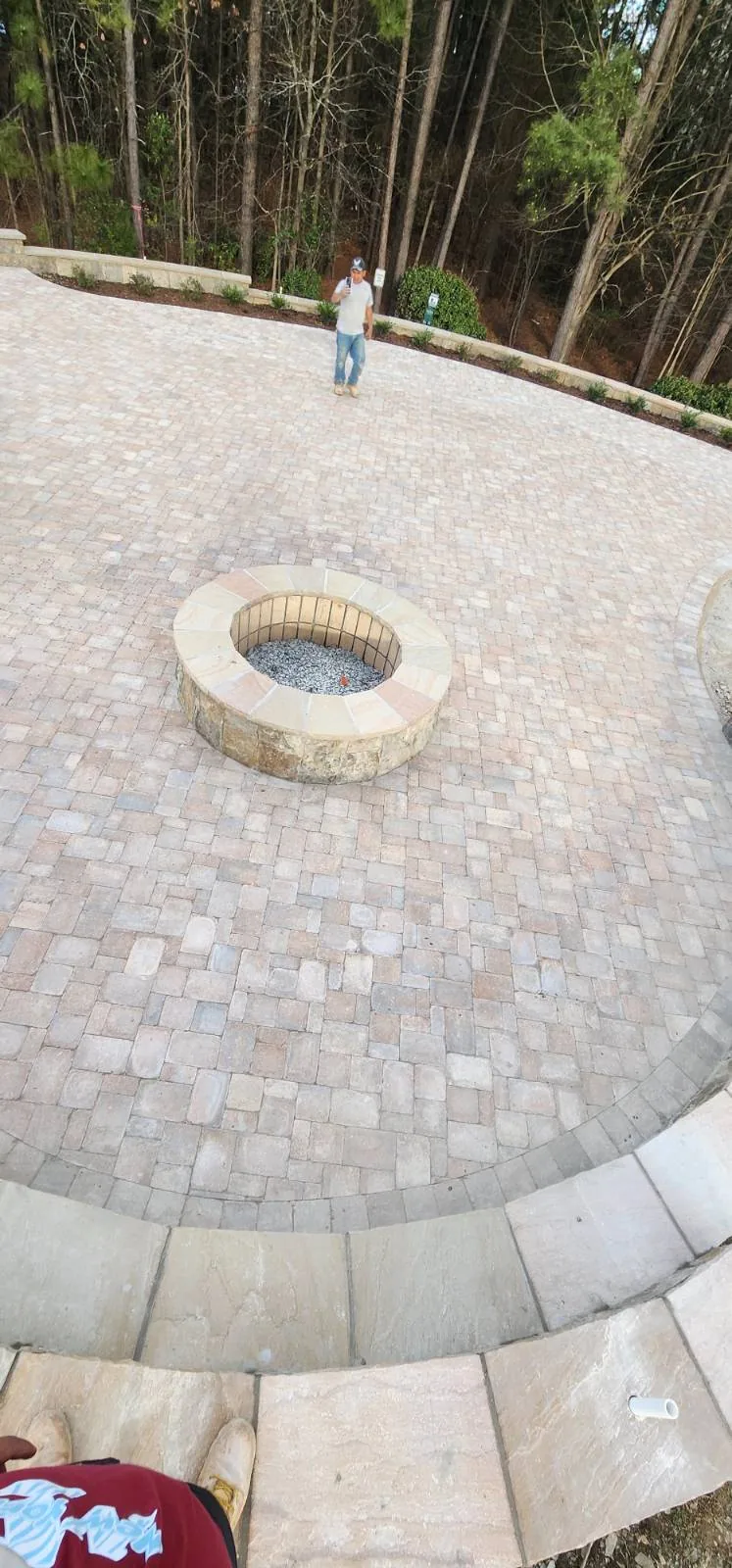
A flagstone patio in Hot Springs is rarely a flat, easy rectangle. Most lots step up from the French Broad, from Spring Creek, or from the slope above the highway, and the patio sits somewhere on that grade — sometimes on fill that was pushed in decades ago, sometimes on the rock the river left behind. Before anyone quotes you a rebuild, the first useful question is whether the patio you already own is failing or simply tired. A patio that heaves in one corner each February and settles back by May is fighting water and frost, not failing structurally. A patio where the stones have tipped into each other and the joints have gone from sand to soil is telling you the base layer is gone, and no amount of re-laying the top will fix it.
That read — repair, partial rebuild, or full rebuild — is the difference between a few thousand dollars and a number closer to the cost of a new patio. Walking it with a level and a shovel is still the honest way to find out.
Reading an old patio: what the stone tells you
Flagstone laid here in the 1970s and 1980s was often set on a thin sand bed directly over graded clay. It looked right for a decade and then started moving. Three things tell you which decision you're facing:
Joint condition. Firm polymeric or mortar joints that only crack at the edges usually mean the field is still stable. Joints that have converted to loose grit and weeds mean water is moving under the stone every storm.
Stone movement. One or two rocked stones can be lifted, re-bedded, and reset. Whole rows stepping in the same direction usually mean the base and the slope are both wrong.
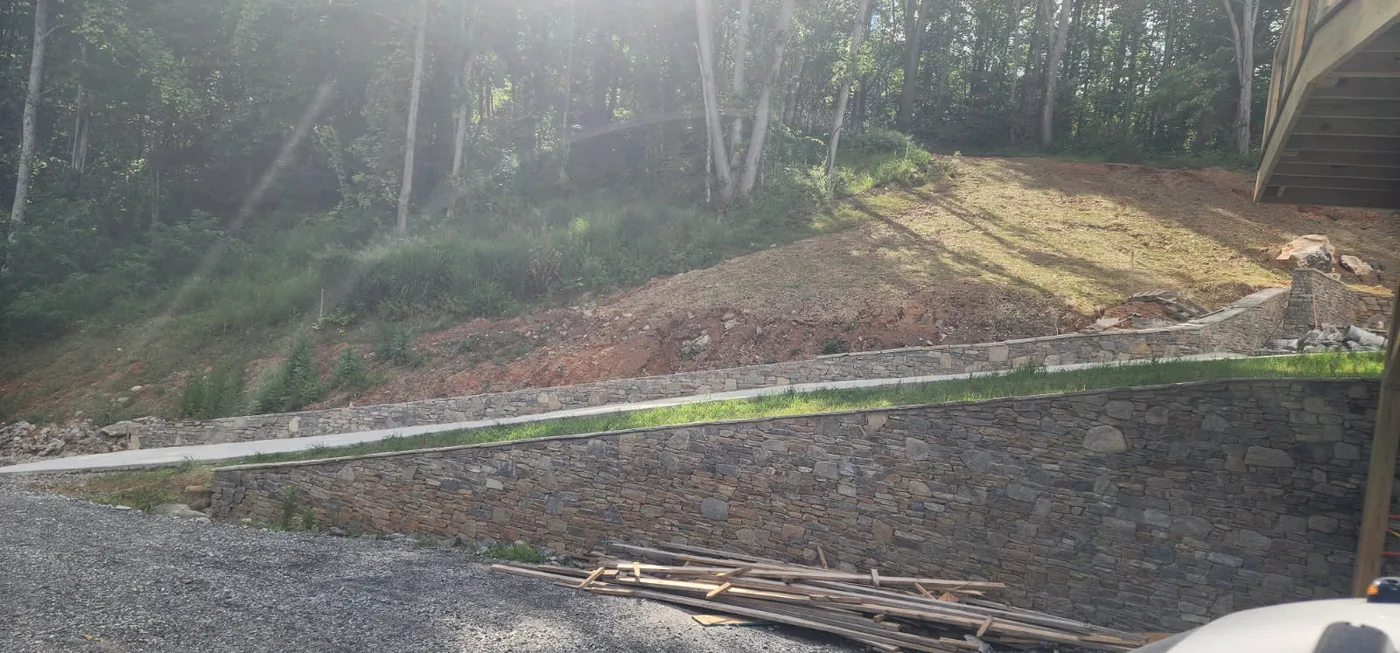
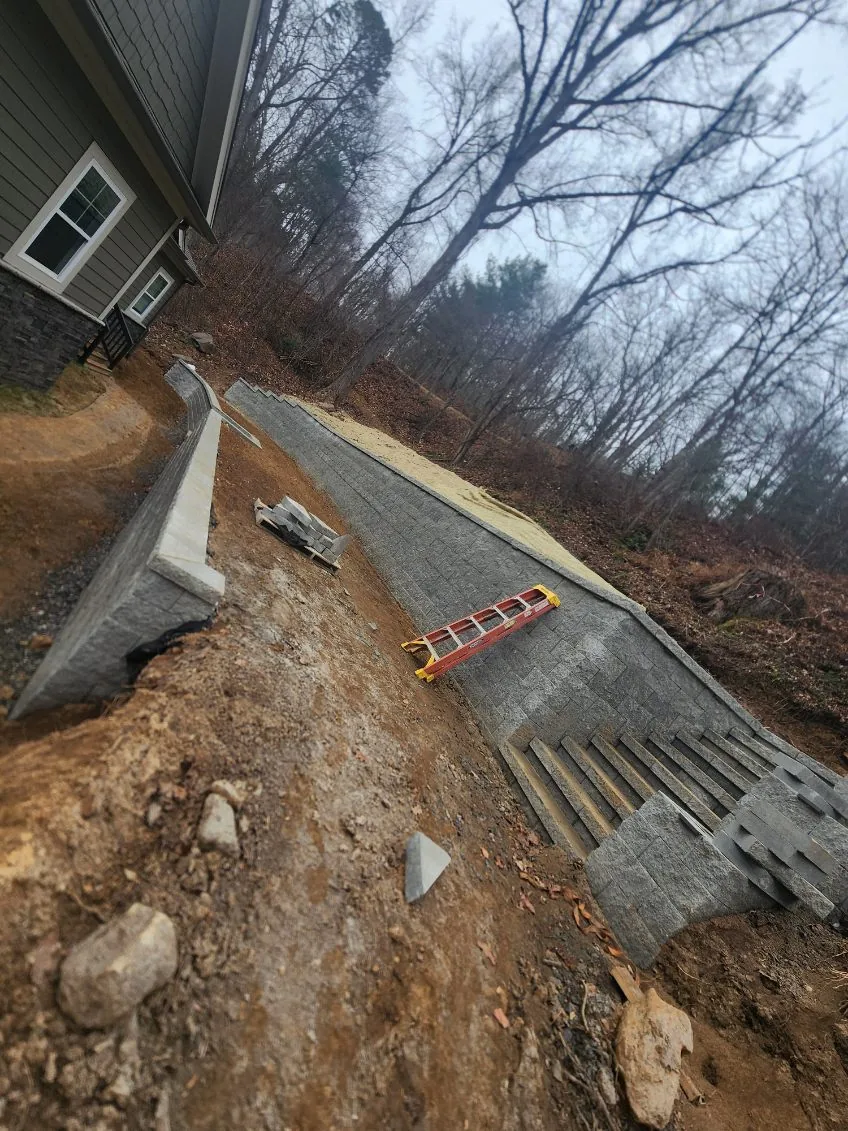
Drainage path. If the patio sheds toward the house, the rebuild scope has to include re-grading, not just stone. The International Code Council treats surface drainage away from the structure as a baseline requirement, and patios that ignore it become foundation conversations later. If the existing patio also serves as the top of a slope wall, pair this page with the Madison County retaining wall cost breakdown before you approve a combined scope.
What flagstone work costs in Madison County
Ranges below reflect what this terrain and this stone market produce. Steep access in Hot Springs — stairs, narrow drives, hauling stone by hand — pushes labor toward the top of each band. Stone choice moves it too: local Tennessee and North Carolina flagstone is typically cheaper to land here than Pennsylvania bluestone.
| Scope | Typical range | What drives it |
|---|---|---|
| Reset and re-joint an existing patio | $1,800–$4,500 | Square footage, how much stone is reusable |
| Partial rebuild (base repair in one zone) | $3,200–$7,500 | Depth of failed base, drainage correction |
| Full rebuild on new compacted base | $6,500–$14,000 | Size, access, stone thickness, edging |
| New flagstone patio, standard grade | $8,000–$18,000 | Stone source, steps, wall tie-ins |
| Steps and grade transitions | $900–$2,800 | Rise, stone type, whether capped |
Bids that quote a full rebuild without naming the base depth or the drainage correction are quotes for a different job. See the flagstone patio overview for how a proper scope is written.
Water, frost, and the county's disaster record
Madison County has been touched by 21 federally declared events across 1978-2026, and the pattern is what you'd expect from a mountain county built along two waterways: storm, flood, and the follow-on landslides and slope failures. That history is not abstract for patio work. A patio at grade in Hot Springs sits in the same water path that flooded a neighbor's basement in a bad spring, and a patio on a cut slope above town shares the subsoil behavior that produced failures elsewhere in the county. The practical consequence: drainage and base compaction matter more here than the stone pattern does.
Two regulatory notes for homeowners planning combined work. Any scope that includes plumbing for an outdoor kitchen or a hose bib hookup falls under the state's plumbing licensing rules — verify a contractor through the NC State Board of Examiners of Plumbing, Heating and Fire Sprinkler Contractors. And any patio project that grows into a structural retaining wall, a large addition, or significant grading can cross the general contracting threshold; the NC Licensing Board for General Contractors publishes where that line sits for a given project value. Neither applies to a plain patio rebuild, but both matter the moment the scope expands.
Choosing who walks the site
The right crew in this county can tell you what they think of your current patio before they quote a replacement for it, and they will say so in writing. Ask three things: what base depth they propose and why; how they intend to move water off the patio; and whether any part of the existing flagstone can be cleaned and reused. A contractor who answers those three questions without checking the drainage above the patio is quoting stone, not masonry.
Access is the other Hot Springs variable. If a truck cannot reach the patio, hand-carry labor is real labor, and it should appear in the quote as a line item rather than as a surprise. The Hot Springs retaining wall contractor guide covers how to vet crews for the slope and wall work that often comes bundled with a patio rebuild on this terrain.